- Attachment-Based Therapy
- Cognitive Behavioral Therapy
- Emotionally-Focused Therapy
About Julie
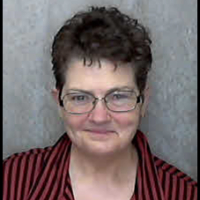
Julie Elliott is a Licensed Clinical Social Worker - Certified and a Licensed Clinical Social Worker with 35 years of practice in Texas. She works with stress, anxiety, relationship and family concerns, trauma and abuse, depression, addictions, grief, intimacy-related issues, career questions and other life changes. She also notes experience with LGBT issues and compassion fatigue.
Julie trained at the University of Houston, earning a Master of Social Work in 1990. She has practiced in Texas and has international experience from work in Canada and the South Pacific. Her credentials include LCSW-C and LCSW and she holds licenses in multiple states, including Texas and Maryland.
Her approach blends several methods. She uses client-centered work that focuses on what the person brings to the room. She also draws on attachment-based ideas to look at how close relationships affect current problems.
Cognitive behavioral techniques help break down unhelpful thinking and change behaviors that keep stress and anxiety going. Elements of dialectical behavior therapy are used for emotion regulation and coping skills when feelings become overwhelming. Emotionally-focused methods come into play for relationship and intimacy challenges.
Sessions are practical and goal oriented. Julie helps people talk through an immediate problem, learn new skills, and plan next steps for work and personal life. People who want to address career stress, grief, addiction concerns, or the emotional fallout of trauma may find this approach useful.
Therapeutic approaches and online sessions
Julie draws on attachment-based ideas to look at how relationships shape present emotions and behavior. This approach helps when problems stem from patterns in close relationships, including intimacy and family conflict.She also uses cognitive behavioral therapy to identify unhelpful thoughts and test new ways of thinking and acting. CBT is useful for anxiety, depression, stress at work, and sleep or eating concerns. Emotionally-focused methods are used for relationship and intimacy issues, helping people name feelings and improve emotional connection.
Choosing the right approach is a collaborative effort. The therapist will work with each person to match methods to their goals, symptoms, and preferences rather than imposing a single technique. That matching may change over time as needs shift.
Confirm current session options before booking because formats are not listed here. Online sessions can make it easier to fit therapy into a workday, reduce travel time, support shorter check-ins during busy weeks, or allow someone to join without being on camera if that helps them engage. Ask about available session lengths and formats when you schedule so arrangements fit your routine.
Areas of expertise
Primary focus
Also works with
Additional focus areas
Therapeutic approaches
Experience
35+ years
Credentials
Texas, Connecticut, Maryland, New Hampshire
Languages
English
Frequently asked questions
What work-related problems does she help with?
She works with stress, anxiety, career concerns, burnout and coping with life changes related to employment.
What is her general therapy style?
She combines client-centered talk with practical techniques from CBT and skills from DBT to address emotions and behavior.
How much clinical experience does she have?
She has 35 years of experience and a Master of Social Work from the University of Houston earned in 1990.
What are her credentials and where is she based?
She holds LCSW-C and LCSW credentials and practices from Texas.
Are sessions offered in any other languages?
Sessions are offered in English.
Does she work with clients outside the United States?
She accepts international clients.
How are session costs handled?
Cost varies with location; sessions use a subscription model that can be canceled at any time.
How do I begin scheduling a first session?
Select the See online therapy options button, complete a short matching questionnaire, and schedule a first session.
Before a first session
- Check that the state license on record covers the state you live in.
- This is therapy, not career coaching: sessions are about how work is affecting you, not job search or placement.
- A profile shows the topics a therapist lists; it is not a diagnosis or a promise of results.
If you feel unsafe right now, call or text 988, or call 911.