
Angela Alexander
LPCTexas · 9 yrs exp
Licensed Professional Counselor - Career and Stress
Stress, Anxiety · Relationship · Trauma and abuse · Career · +15 more
Read profileTherapist listings come from BetterHelp. We will earn a commission at no extra cost to you if you use our links to buy.
Compare profiles of therapists who list Women's Issues alongside career and work stress to find approaches and credentials that match your needs. Use listed location, languages, specialties and descriptions to narrow your search, then browse profiles to connect with a clinician whose focus aligns with your concerns.
Texas · 9 yrs exp
Licensed Professional Counselor - Career and Stress
Stress, Anxiety · Relationship · Trauma and abuse · Career · +15 more
Read profile
Arizona · 30 yrs exp
Licensed Professional Counselor - Stress and Career
Stress, Anxiety · Trauma and abuse · Self esteem · Career · +11 more
Read profile
Texas · 16 yrs exp
LPC in Texas and Arkansas - Stress and Career help
Stress, Anxiety · Trauma and abuse · Coping with life changes · ADHD · +14 more
Read profile
Indiana · 3 yrs exp
Licensed Clinical Social Worker - Stress and Career
Stress, Anxiety · Relationship · Self esteem · Career · +8 more
Read profile
Indiana · 13 yrs exp
LMHC in Indiana - Stress and Trauma
Stress, Anxiety · Trauma and abuse · Grief · Self esteem · +13 more
Read profile
Louisiana · 14 yrs exp
Licensed Professional Counselor - Mood and Stress
Anger · Bipolar · Depression · Coping with life changes · +15 more
Read profile
Tennessee · 22 yrs exp
Licensed Professional Counselor - Stress and Career
Stress, Anxiety · Trauma and abuse · Parenting · Self esteem · +11 more
Read profile
North Carolina · 13 yrs exp
LCSW - Anxiety and Career concerns
Stress, Anxiety · Relationship · Family · Self esteem · +12 more
Read profile
Texas · 16 yrs exp
LMFT in Texas - Stress and Career support
Stress, Anxiety · Grief · Self esteem · Coping with life changes · +9 more
Read profile
South Carolina · 20 yrs exp
Licensed Social Worker - Stress and Career
Stress, Anxiety · Relationship · Eating · Self esteem · +10 more
Read profile
Florida · 5 yrs exp
Florida LCSW - Career and Relationship support
Stress, Anxiety · Relationship · Career · Depression · +1 more
Read profile
New York · 35 yrs exp
LCSW - Career and stress support
Stress, Anxiety · Self esteem · Career · ADHD · +10 more
Read profile
Arkansas · 30 yrs exp
Licensed Clinical Social Worker - Stress and Career
Stress, Anxiety · Trauma and abuse · Self esteem · Depression · +13 more
Read profile
Illinois · 18 yrs exp
Illinois LCPC - Stress and Career concerns
Stress, Anxiety · Addictions · Self esteem · Depression · +8 more
Read profile
Texas · 17 yrs exp
LPC in Texas - anxiety and career concerns
Stress, Anxiety · Grief · Anger · Bipolar · +9 more
Read profile
Texas · 15 yrs exp
Licensed Clinical Social Worker - Trauma and Stress
Stress, Anxiety · Relationship · Trauma and abuse · Depression · +12 more
Read profile
Nebraska · 14 yrs exp
LIMHP - Stress and Career concerns
Stress, Anxiety · Grief · Bipolar · Depression · +13 more
Read profile
Texas · 13 yrs exp
LPC in Texas - stress and trauma care
Stress, Anxiety · Relationship · Trauma and abuse · Self esteem · +7 more
Read profile
California · 12 yrs exp
LPCC counselor - stress and career concerns
Stress, Anxiety · Self esteem · Depression · Addictions · +8 more
Read profile
Alabama · 14 yrs exp
Licensed Professional Counselor - Stress and Relationships
Stress, Anxiety · Relationship · Career · Bipolar · +11 more
Read profile
South Carolina · 16 yrs exp
South Carolina LISW-CP - Stress and Career
Stress, Anxiety · Relationship · Family · Self esteem · +10 more
Read profile
Missouri · 5 yrs exp
Licensed Clinical Social Worker - Stress and Career
Stress, Anxiety · Trauma and abuse · Self esteem · Bipolar · +16 more
Read profile
Florida · 6 yrs exp
Licensed Clinical Social Worker - Stress and Career
Stress, Anxiety · Trauma and abuse · Self esteem · Career · +12 more
Read profile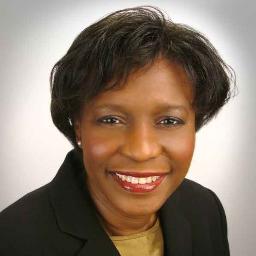
Georgia · 18 yrs exp
Licensed Professional Counselor - Stress and Relationships
Stress, Anxiety · Relationship · Family · Trauma and abuse · +13 more
Read profileWhen you search for help around Women's Issues and career-related stress, you are often looking for someone who understands how gendered expectations, life transitions and workplace pressures can combine. You may be dealing with burnout, the emotional impact of a job loss, the uncertainty of a career change, ongoing workplace conflict, or worries about confidence at work. These are all understandable concerns that many people bring to therapy. Talking with a clinician about how these pressures affect your mood, decision-making and energy can help you clarify priorities and coping strategies. That said, a listed specialty simply indicates that a clinician includes these topics among their practice areas; it does not prove a specific training credential or guarantee a particular outcome.
In a work-focused context you might notice patterns that affect your daily functioning - persistent fatigue, avoidance of certain tasks, or repeated interactions that feel draining. You may also be managing life events that disproportionately affect women, such as caregiving responsibilities, pregnancy-related transitions, fertility or reproductive health considerations, and stages like perimenopause or menopause. These factors can shape the questions you bring to therapy and the types of supports you want from a clinician. Use profiles to identify therapists whose descriptions include attention to the areas most relevant to your life and career.
You should not assume that Women's Issues cause a particular work problem or that any single factor explains your experience. However, workplace dynamics often reflect broader social patterns, and your gender-related experiences can influence how you navigate job expectations, negotiation, visibility and authority. For example, you might find yourself coping with microaggressions, unclear boundaries around caregiving leaves, or questions about competence that tie into imposter feelings. These dynamics can contribute to stress, lower confidence and conflict with supervisors or colleagues.
Therapists who list Women's Issues as a focus may talk with you about how identity, role expectations and life transitions intersect with career choices. They can help you explore values, set boundaries, manage work-related stressors and build on your strengths. Keep in mind that therapists do not provide recruitment, legal, HR, or financial advice and do not find jobs. If you need employment services, legal guidance or HR intervention, you should seek a professional who specializes in those areas. Therapy can complement those services by helping you process feelings, make values-consistent choices and develop strategies to manage stress and workplace relationships.
When you review profiles, think about the concrete questions to pose to a clinician so you can compare approaches and experience. You might ask how they describe their work with people facing career transitions, burnout or workplace conflict and whether they have experience addressing issues related to pregnancy, caregiving or life stage changes. Ask whether they have worked with people in similar professional contexts to yours and what language they use to describe progress and goals.
Look closely at the credentials listed in profiles and remember that academic degrees such as PhD, PsyD, MD, MA or MSW are different from professional licenses and registrations. A degree indicates completion of an academic program, while a license indicates permission to practice in a given jurisdiction. You should verify a clinician's current license and their permission to work with you in your location. If a clinician notes specific approaches - for example, therapists who list EMDR among their approaches - treat that as an area to discuss rather than evidence of exclusive use or formal certification. Also ask about populations they typically work with, whether they focus on adults, young professionals or other groups, and whether they have experience with concerns that cross into medical or legal territory so you can coordinate care with other professionals when needed.
If you plan to begin care online or across state lines, there are practical points to cover before your first conversation. Ask the clinician to explain how they manage boundaries and record-keeping, what platform or technologies they use and what their policies are for scheduling and cancellations. Confirm whether they are authorized to practice in your state or listed location and what that means for where you can receive care. Discuss how they handle emergencies and what resources they recommend if you need immediate in-person assistance.
It is also important to cover scope of work early on. Therapists can help you process emotions, explore choices and develop coping strategies, but they do not act as recruiters or HR representatives, and they do not give legal or financial advice. If your concerns involve workplace discrimination, employment law or complex workplace negotiations, you will likely benefit from parallel consultation with an attorney or a workplace specialist alongside therapy. Clear communication about goals, limits and expectations helps you and the clinician set a practical plan for your work together.
Profiles are designed to help you decide which clinicians to contact. Start by identifying the language and terms that match your concerns, whether that means career change, burnout, workplace conflict or confidence at work. Check the listed location to understand the jurisdiction a clinician notes, and look for mentions of languages spoken so you can find a match that fits your communication preferences. Read how clinicians describe their therapeutic style - some emphasize problem-solving and skill-building, while others foreground emotional processing or identity-focused work - and imagine which descriptions feel most likely to support your goals.
Ask direct, visitor-focused questions when comparing clinicians. Does the profile indicate experience with workplace conflict or career transitions that resemble your situation? What degrees are listed - for example PhD, PsyD, MD, MA, MSW - and what licenses or registrations does the clinician hold, noting that a degree does not alone establish permission to practice? Which approaches does the profile mention, and would you like to discuss how those approaches might apply to your concerns? Finally, consider whether the clinician’s stated focus areas explicitly include the topics you want to address and whether their communication style in the profile feels like a good fit.
As you browse, keep a short list of profiles that merit an initial conversation. Use that conversation to verify licensure, confirm the clinician can work with you in your listed location, and ask the specific questions that matter for your circumstances. Thoughtful comparison of profiles - focusing on focus areas, language compatibility, credentials and therapeutic approach - will help you make an informed choice about who to contact as you address Women's Issues in the context of your career and workplace life.
Alabama
75 therapists
Alaska
8 therapists
Arizona
64 therapists
Arkansas
46 therapists
California
448 therapists
Colorado
137 therapists
Connecticut
66 therapists
Delaware
17 therapists
District of Columbia
20 therapists
Florida
604 therapists
Georgia
199 therapists
Hawaii
25 therapists
Idaho
31 therapists
Illinois
243 therapists
Indiana
86 therapists
Iowa
22 therapists
Kansas
37 therapists
Kentucky
53 therapists
Louisiana
107 therapists
Maine
25 therapists
Maryland
96 therapists
Massachusetts
91 therapists
Michigan
200 therapists
Minnesota
80 therapists
Mississippi
61 therapists
Missouri
153 therapists
Montana
32 therapists
Nebraska
30 therapists
Nevada
28 therapists
New Hampshire
14 therapists
New Jersey
133 therapists
New Mexico
31 therapists
New York
293 therapists
North Carolina
266 therapists
Ohio
164 therapists
Oklahoma
85 therapists
Oregon
43 therapists
Pennsylvania
202 therapists
Rhode Island
14 therapists
South Carolina
118 therapists
South Dakota
13 therapists
Tennessee
91 therapists
Texas
567 therapists
Utah
32 therapists
Vermont
14 therapists
Virginia
124 therapists
Washington
80 therapists
West Virginia
16 therapists
Wisconsin
92 therapists
Wyoming
14 therapists