- ACT and CBT methods
- Relationship concerns
- Career and life changes
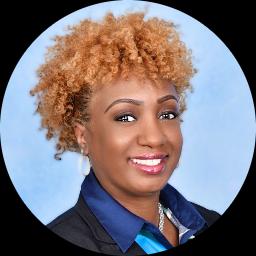
About Dwanne
Dwanne Clayton is a Licensed Clinical Social Worker (LCSW) in Florida with five years of direct therapy experience. She works with adults on stress, anxiety, depression, relationship and family concerns, self-esteem, intimacy-related issues, grief, trauma and abuse, parenting challenges, career questions, ADHD, and related worries. Sessions also address anger, sleeping problems, bipolar-related concerns, compassion fatigue, and life changes.
She uses practical, solution-oriented strategies in session. Conversations focus on current problems and steps that make daily life more manageable. Clients can expect talk that clarifies what matters to them and concrete skills to try between meetings.
Dwanne blends several therapeutic methods to match a person's goals. She draws on Acceptance and Commitment Therapy (ACT) to help people identify values and take committed action. Cognitive Behavioral Therapy (CBT) is used to map how thoughts, feelings, and behaviors interact and to practice different ways of responding. Client-Centered Therapy guides sessions around what each person brings and how they want to move forward.
Her approach also includes Emotionally-Focused Therapy ideas for relationship patterns and mindfulness practices to reduce reactivity. Dwanne emphasizes collaboration - clients set priorities and she offers tools and feedback aimed at making change practical and sustainable.
She works in English and holds credentials listed as LCSW and CSW in Florida. To start, prospective clients complete a short matching questionnaire and schedule a first session using the site's online options.
How Dwanne Uses Therapy Approaches Online
Acceptance and Commitment Therapy (ACT) helps people name what matters most and take small steps toward those values even when feelings are strong. Cognitive Behavioral Therapy (CBT) focuses on identifying unhelpful thought and behavior patterns and practicing new responses to reduce stress and improve mood. Client-Centered Therapy keeps the conversation guided by the client's concerns and priorities, with the therapist offering reflective listening and collaborative problem solving.Deciding which approach fits best is part of the work. The therapist will talk with the client about goals, try methods that match those goals, and adjust over time. This is a collaborative process where feedback and practical results guide next steps.
Confirm the exact session formats available before booking, since the profile does not specify formats. Online sessions can make scheduling easier and help fit therapy into a busy workday. They can allow for shorter check-ins, sessions without needing travel time, and options that reduce time away from work or caregiving. Licensed professionals often use these advantages to keep therapy consistent with daily routines and goals.
Areas of expertise
Primary focus
Also works with
Additional focus areas
Therapeutic approaches
Experience
5+ years
Credentials
Florida, Georgia
Languages
English
Frequently asked questions
Which work and career issues are addressed?
She helps people dealing with burnout, career change questions, job loss stress, and work-related anxiety. Conversations focus on coping, decision-making, and rebuilding confidence.
What style of therapy does she use?
Sessions use practical, talk-based methods. She mixes Acceptance and Commitment Therapy, Cognitive Behavioral Therapy, Client-Centered approaches, Emotionally-Focused techniques, and mindfulness practices as appropriate.
How much experience does she have?
She has five years of direct therapy experience working with adults on mood, relationship, and stress-related concerns.
What are her credentials and where is she located?
She is an LCSW and CSW licensed in Florida. Her practice is based in Florida.
Does she offer sessions in other languages?
Sessions are offered in English only.
Can international clients work with her?
She does not accept international clients at this time.
How are sessions billed or paid for?
Cost varies with location and sessions use a subscription model that can be canceled at any time.
How do I begin a first session?
Start by selecting the See online therapy options button, complete the short matching questionnaire, and then schedule your initial session.
Before a first session
- Check that the state license on record covers the state you live in.
- This is therapy, not career coaching: sessions are about how work is affecting you, not job search or placement.
- A profile shows the topics a therapist lists; it is not a diagnosis or a promise of results.
If you feel unsafe right now, call or text 988, or call 911.