- CBT strategies
- DBT skills
- Mindfulness practice
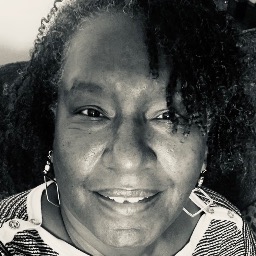
About Darlene
Dr. Darlene Anderson is a Licensed Professional Counselor (LPC) in Virginia and a Licensed Clinical Mental Health Counselor (LCMHC) in North Carolina with 20 years of clinical experience. She works with adults on stress, anxiety, relationships, self-esteem, depression, coping with life changes, addictions, grief, intimacy issues, parenting stress, anger, and career concerns. Sessions focus on practical steps people can use day to day.
Her background includes long-term work in community mental health, schools, hospitals, detention settings, and independent practice. That range means she is used to helping people adjust after job changes, relationship upheaval, and other major life shifts. She takes a plainspoken approach and uses methods that aim to change thinking and behavior as needed.
In sessions she draws on client-centered work to follow the person's priorities and on cognitive behavioral therapy to identify and shift unhelpful thoughts and routines. Dialectical behavior therapy techniques are used when skills for managing intense emotions are needed. Mindfulness-based practices and motivational interviewing are also part of her toolkit for building coping and commitment.
She has worked with people facing substance use and addiction concerns as well as mood disorders and trauma-related problems. Her history in multiple service settings supports practical planning for everyday challenges like work stress and family conflict. She uses clear steps and regular check-ins to track progress.
Dr. Anderson holds graduate degrees in counseling and social work and brings two decades of practice to clinical conversations. People seeking help with career-related stress or a major life transition will find a therapist who focuses on concrete strategies and steady support.
How her approaches translate to online work
Client-centered therapy focuses on the person's concerns and priorities. Online sessions using this approach mean the conversation is guided by what the client brings and by practical goals they want to address. Cognitive behavioral therapy (CBT) looks at how thoughts and actions affect feelings. In online CBT sessions, the therapist and client identify patterns, try new behaviors between meetings, and review what worked. Dialectical behavior therapy (DBT) teaches skills for emotion regulation, distress tolerance, and better interpersonal interaction. When DBT techniques are used in remote sessions, the focus is on practicing specific skills and applying them to real situations.Finding the right approach is part of the work together. The therapist will discuss options and help decide which methods seem most useful based on your needs, goals, and preferences. That collaborative process includes trying approaches and adjusting as the client's situation changes.
The original profile does not specify which online session formats she uses. Please confirm current session options before booking so you know whether sessions are by video, phone, or another method. Online meetings can make it easier to fit sessions around work, shorten commute time, or allow shorter check-ins during busy weeks. Practical gains include more flexibility for scheduling and the ability to keep momentum between appointments.
Areas of expertise
Primary focus
Also works with
Additional focus areas
Therapeutic approaches
Experience
20+ years
Credentials
Virginia, North Carolina
Languages
English
Frequently asked questions
Can she help with work-related burnout or career change?
She lists career concerns among her specialties and often helps people manage work stress, difficult bosses, and transitions. Conversations emphasize practical steps to reduce strain and plan next moves.
What approaches does she use in sessions?
Her documented approaches include client-centered therapy, cognitive behavioral therapy (CBT), dialectical behavior therapy (DBT), mindfulness therapy, motivational interviewing, and narrative techniques. She mixes methods to suit the issue and the client's goals.
How much clinical experience does she have?
She has 20 years of experience working in a variety of settings such as community mental health, schools, hospitals, detention centers, and independent practice. That background informs work on both acute problems and longer-term concerns.
What are her credentials and where does she practice?
She holds the LPC credential in Virginia and the LCMHC credential in North Carolina and practices from Virginia. Those credentials are used to provide clinical care in those states.
Does she work in languages other than English or with international clients?
Sessions are offered in English. She is not accepting international clients at this time.
Which session formats are offered?
The original profile does not list specific session formats. Please confirm the current session options before booking so you know how meetings are conducted.
How does billing and cost work?
Cost varies by location. Sessions use a subscription model that can be canceled at any time according to the provider's terms.
How do I begin if I want to meet with her?
Begin by selecting the See online therapy options button, completing a short matching questionnaire, and scheduling a first session. That process starts the intake and helps match needs to services.
Before a first session
- Check that the state license on record covers the state you live in.
- This is therapy, not career coaching: sessions are about how work is affecting you, not job search or placement.
- A profile shows the topics a therapist lists; it is not a diagnosis or a promise of results.
If you feel unsafe right now, call or text 988, or call 911.