- Anxiety and depression
- Trauma-informed approaches
- Evening and weekend times
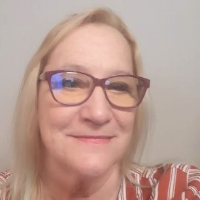
About Carole
Carole LaFreniere is a Licensed Clinical Social Worker (LCSW) with eight years of experience. She helps people who are dealing with stress, anxiety, depression, trauma and abuse, grief, addiction, relationship and intimacy problems, and career concerns.
She trained at the University of Texas at Arlington where she earned a Master of Social Work. Her background includes work with inpatient psychiatric patients and with individuals in community settings. She also lists experience with grief work and trauma-related approaches.
In sessions she emphasizes a collaborative relationship. She works with clients to set clear goals and to find practical steps toward solutions. She uses a mix of approaches rather than a single method, and adapts what she does to the person in front of her.
Therapeutic methods Carole uses include cognitive-behavioral techniques, acceptance and commitment ideas, client-centered methods, mindfulness practices, and EMDR among others. Those methods are applied to everyday problems like coping with life changes, handling workplace stress, and managing anxiety or mood symptoms.
She notes a strengths-based outlook and attention to the whole person in their environment. Sessions include direct discussion, skills practice, and problem-solving. Carole also offers some evening and weekend appointment times to fit around work and other commitments.
Approaches used in online sessions
Carole commonly draws on Acceptance and Commitment Therapy, Cognitive Behavioral Therapy, and Client-Centered Therapy. ACT focuses on accepting difficult thoughts and committing to values-based actions to move forward despite discomfort. CBT identifies unhelpful thinking patterns and teaches practical exercises to change thoughts and behaviors that maintain anxiety or low mood. Client-centered therapy emphasizes a respectful, nonjudgmental relationship and encourages clients to lead the conversation while the therapist listens and reflects.Finding the right approach is part of the work. Carole will discuss options with each person and together decide which tools and methods fit the client's goals, preferences, and day-to-day needs. That collaborative process can include trying different strategies and adjusting the focus as progress is made.
Confirm the specific session formats available before booking. Many people find online sessions make it easier to fit therapy into a busy schedule, allowing shorter check-ins, evening or weekend appointments, and meetings without travel time. Online work can also support use of mindfulness exercises, CBT homework, and EMDR-informed processing while keeping sessions practical and focused on real-world problems.
Areas of expertise
Also works with
Additional focus areas
Therapeutic approaches
Experience
8+ years
Credentials
Kansas, Colorado, New Hampshire, Wisconsin
Languages
English
Frequently asked questions
Which work-related concerns does she address?
She helps people facing workplace stress, burnout, difficult bosses, career changes, job loss, and uncertainty about next steps.
What is her general therapy style?
She uses a collaborative, goal-focused style that mixes practical skills, problem-solving, and discussion to address current problems.
How much clinical experience does she have?
She has eight years of experience working in mental health, including inpatient psychiatric care and community-based individual work.
What credentials and region are listed?
She holds LCSW and CSW credentials and is located in Wisconsin.
Which languages are sessions offered in?
Sessions are offered in English.
Does she work with clients outside the country?
International clients are not currently accepted.
How are fees and payment handled?
Cost varies with location and sessions use a subscription that can be canceled at any time.
How do I begin the process?
Select the See online therapy options button, complete the short matching questionnaire, and schedule a first session.
Before a first session
- Check that the state license on record covers the state you live in.
- This is therapy, not career coaching: sessions are about how work is affecting you, not job search or placement.
- A profile shows the topics a therapist lists; it is not a diagnosis or a promise of results.
If you feel unsafe right now, call or text 988, or call 911.