- CBT methods
- DBT skills
- Client-centered work
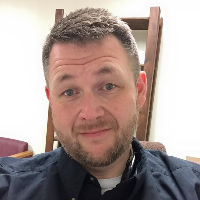
About Timothy
LCSW (Licensed Clinical Social Worker) in Florida with 13 years of clinical experience, Timothy Rowell helps people facing stress, anxiety, addiction, depression, bipolar issues, relationship strain, grief, parenting challenges, and career concerns. He works directly with individuals who are coping with trauma, anger, self-esteem struggles, and life changes related to work or personal roles.
Timothy uses a straightforward, practical style in sessions. He listens without judgment and focuses on honest conversation so progress can happen. Sessions commonly involve setting clear goals, trying new ways of thinking, and practicing skills that can be used between meetings.
His approach draws from cognitive behavioral techniques, dialectical behavior ideas, and client-centered principles. That means Timothy helps people notice unhelpful thoughts, learn coping strategies, and build more effective ways of relating to themselves and others. Emotion-focused ideas are also used when feelings and attachment patterns are central to a problem.
Timothy frames therapy as a collaborative effort. He and the client work together to choose methods that match the person’s goals and daily life. He emphasizes practical steps as well as reflection so changes can be implemented outside the session.
He has experience across a wide range of concerns including infidelity, jealousy, veteran and armed forces issues, personality disorder challenges, phobias, and compassion fatigue. Sessions are conducted in English and he practices in Florida as an LCSW.
How his approaches translate to online work
Acceptance and Commitment Therapy (ACT) helps people notice unhelpful thoughts and choose actions that match their values. It can be useful when someone feels stuck at work or unsure which career direction fits their priorities. Cognitive Behavioral Therapy (CBT) focuses on spotting thought patterns that fuel anxiety or low mood and testing more helpful ways of thinking. That makes it practical for stress, performance anxiety, and shifting habits that affect work functioning.Finding the right approach is part of the process. Timothy will work with each person to decide which methods fit their goals and day-to-day needs. The therapist and client make that choice together and adjust it as progress or new challenges appear.
The original biography does not list specific session formats, so confirm current online options before booking. Many people find online sessions helpful because they can fit a meeting into a lunch break, avoid travel time, or use audio-only when video is difficult. Online work also makes it easier to practice skills in real-life settings and to bring workplace issues into the conversation promptly.
Areas of expertise
Primary focus
Also works with
Additional focus areas
Therapeutic approaches
Experience
13+ years
Credentials
Florida
Languages
English
Frequently asked questions
Which work-related problems does he address?
He helps with stress, burnout, career uncertainty, and work-related anxiety. Career concerns are listed among his practice areas.
What kind of therapy style does he use?
He blends cognitive behavioral approaches, dialectical behavior ideas, and client-centered techniques. This mix means sessions focus on thoughts, coping skills, and open dialogue.
How much clinical experience does he have?
He has 13 years of experience working as a therapist. That includes work with addiction, trauma, mood disorders, and related issues.
What are his credentials and where does he practice?
He is an LCSW practicing in Florida. The credential listed is FL LCSW.
Can I see him if I live outside the United States?
Sessions are offered in English and international clients are not currently accepted.
What session formats are offered?
The original biography did not specify session formats. Confirm current session options before booking.
How does payment or cost work?
Cost varies with location and sessions use a subscription model that can be canceled at any time.
How do I begin a first session?
Select the See online therapy options button, complete the short matching questionnaire, and schedule a first session.
Before a first session
- Check that the state license on record covers the state you live in.
- This is therapy, not career coaching: sessions are about how work is affecting you, not job search or placement.
- A profile shows the topics a therapist lists; it is not a diagnosis or a promise of results.
If you feel unsafe right now, call or text 988, or call 911.