- CBT
- EMDR
- Trauma-focused therapy
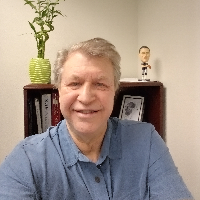
About Scott
Scott Underwood is a Licensed Clinical Social Worker (LCSW) in California with 23 years of experience. He lists stress, anxiety, trauma and abuse, depression, anger, parenting concerns, relationship and family matters, and career issues among the areas he addresses. Scott also notes work with grief, intimacy concerns, sleep and eating problems, and mood disorders including bipolar and panic-related difficulties.
He began in the field as an Army Behavioral Science Specialist in 1984 and has worked in community mental health, psychiatric hospitals, and independent practice. More recently he provided services to active duty Air Force personnel at Nellis and Creech Air Force Base. That mix of settings shapes how he approaches practical problems and stressful life events.
Scott uses approaches such as Cognitive Behavioral Therapy (CBT), Eye Movement Desensitization and Reprocessing (EMDR), and Trauma-Focused Therapy. He frames therapy as pragmatic work: problem solving, anger management, and skills for coping with life changes. He also offers assessment, consultation, and treatment planning when that is what a person wants.
He describes sessions as adaptable to different goals. People who want short-term, time-limited support can set a session number. Those looking for longer-term work can plan that too. He says he can be flexible if a person changes their goals during care.
Scott notes that counseling does not always have to be heavy or intimidating. He indicates a readiness to use humor when appropriate and to match the tone and pace clients prefer.
How his approaches translate to online sessions
Scott lists Cognitive Behavioral Therapy (CBT) and Eye Movement Desensitization and Reprocessing (EMDR) among his main methods. CBT focuses on identifying unhelpful thinking and testing new behaviors to reduce anxiety and manage stress. EMDR uses guided bilateral stimulation alongside memory processing to address traumatic memories and reduce their intensity.He also uses Trauma-Focused Therapy, which concentrates on processing traumatic experiences and building coping skills to manage triggers and symptoms. These methods are presented as tools to address issues such as trauma, panic, mood disruptions, and work-related stress.
Finding the right approach is part of the work. He will discuss goals, preferences, and what feels most useful, and then adapt the method accordingly. That collaboration helps decide whether to emphasize CBT skills, EMDR processing, or trauma-focused techniques during sessions.
The profile does not list specific session formats here, so confirm current options before booking. Online sessions can make it easier to fit therapy into a busy schedule, allow shorter check-ins when needed, and remove travel time. Licensed professionals often use these practical benefits to help people maintain therapy alongside work and daily obligations.
Areas of expertise
Primary focus
Also works with
Additional focus areas
Therapeutic approaches
Experience
23+ years
Credentials
California
Languages
English
Frequently asked questions
Which work-related issues does he address?
He addresses stress, burnout, career uncertainty, job-related anxiety, and other work pressures as listed in his specialties.
What is his therapeutic approach and style?
He uses Cognitive Behavioral Therapy, EMDR, and Trauma-Focused Therapy and favors practical problem solving and skills work matched to clients' goals.
How long has he been practicing?
He has 23 years of clinical experience and began in the field as an Army Behavioral Science Specialist in 1984.
What credential and location information is provided?
He is a California Licensed Clinical Social Worker, listed as CA LCSW, and practices from California.
In which languages can sessions be conducted?
Sessions are offered in English.
Can international clients work with him?
He accepts international clients according to the profile information provided.
How are costs and subscriptions handled?
Cost varies with location and sessions use a subscription that can be canceled at any time.
How do I begin a first session?
Choose the See online therapy options button, complete the short matching questionnaire, and schedule a first session.
Before a first session
- Check that the state license on record covers the state you live in.
- This is therapy, not career coaching: sessions are about how work is affecting you, not job search or placement.
- A profile shows the topics a therapist lists; it is not a diagnosis or a promise of results.
If you feel unsafe right now, call or text 988, or call 911.