- CBT techniques
- Acceptance and Commitment
- Emotion-focused work
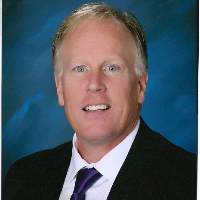
About Michael
Michael Rhine is a Washington LMHC (Licensed Mental Health Counselor) with 27 years of clinical experience helping people with stress, anxiety, addictions, trauma, parenting concerns, workplace issues, and career questions. He works with people who are dealing with depression, coping with life changes, or trying to manage anger and low self-esteem. Sessions focus on practical steps you can use between appointments.
Michael combines several well-known counseling approaches to match what a person needs. He uses cognitive behavioral techniques to identify unhelpful thinking and behavior patterns. He draws on Acceptance and Commitment Therapy to help people notice difficult thoughts and still move toward chosen values. Emotionally-Focused and client-centered methods are used when relationship or attachment issues are central.
His background includes extensive work with adverse childhood experiences and addictions, and many years supporting people with trauma and post-traumatic stress. He also addresses caregiver stress, fatherhood issues, codependency, and grief topics like guilt and forgiveness. Work-related concerns such as burnout, first responder stress, and workplace problems are included in his practice.
In sessions, Michael aims for an interactive style that clarifies goals and builds small, manageable skills. He avoids labeling and focuses on concrete strategies people can try between sessions, plus checking how those changes land in everyday life.
To begin, prospective clients complete a short matching questionnaire and then schedule a first session. Cost varies with location and sessions use a subscription that can be canceled at any time.
How Michael uses therapy approaches online
Acceptance and Commitment Therapy (ACT) helps people notice difficult thoughts and feelings without getting stuck, then choose actions that match their values. It can be useful for workplace anxiety, career transitions, and dealing with avoidance. Cognitive Behavioral Therapy (CBT) focuses on identifying unhelpful thoughts and behaviors and testing small changes. It is practical for stress, depression, phobias, and managing addictive urges. Emotionally-Focused Therapy (EFT) concentrates on identifying and shifting key emotional patterns that affect close relationships and attachment concerns. It is often used when relationship dynamics or family-of-origin issues are part of the problem. Finding the right approach is part of the work together. The therapist will review your needs, goals, and preferences and recommend methods to try. That decision is collaborative and can change as therapy progresses. Confirm the current online session options before booking since the biography does not list specific formats. Online therapy can make it easier to fit sessions into a busy day, reduce commute time, and allow shorter check-ins when needed. It also lets people continue work on skills and homework between sessions without rearranging their whole schedule.Areas of expertise
Primary focus
Also works with
Additional focus areas
Therapeutic approaches
Experience
27+ years
Credentials
Washington
Languages
English
Frequently asked questions
What work and career concerns does he address?
He helps people facing workplace stress, job loss, career uncertainty, burnout, and related anxiety.
What kind of therapy style does he use?
His style is interactive and client-centered, using practical CBT, ACT, and emotion-focused elements to address problems.
How long has he been practicing?
He has 27 years of counseling experience working with a wide range of concerns including trauma and addictions.
What credential does he hold and where is he based?
He is an LMHC (Licensed Mental Health Counselor) licensed in Washington.
Does he work in other languages or with international clients?
Sessions are offered in English and he does not accept international clients.
Which session formats are available?
Please confirm current session options before booking, as the biography does not list specific formats.
How much do sessions cost?
Cost varies with location and sessions use a subscription that can be canceled at any time.
How do I start a first session?
Select the See online therapy options button, complete a short matching questionnaire, and schedule a first session.
Before a first session
- Check that the state license on record covers the state you live in.
- This is therapy, not career coaching: sessions are about how work is affecting you, not job search or placement.
- A profile shows the topics a therapist lists; it is not a diagnosis or a promise of results.
If you feel unsafe right now, call or text 988, or call 911.