- Client-Centered Therapy
- Cognitive Behavioral Therapy
- Emotionally-Focused Therapy
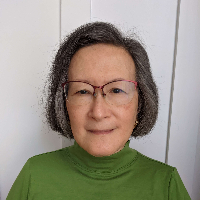
About Lillian
Lillian Tsai is an LCSW (Licensed Clinical Social Worker) practicing in New York with 20 years of clinical experience. She works with people facing stress, anxiety, trauma and abuse, grief, depression, relationship concerns, self-esteem struggles, career challenges, and compassion fatigue.
She focuses on practical, problem-focused work. Sessions often look at current stressors and coping strategies. She draws on the person’s own strengths and preferences when deciding what to try next.
Her background includes long experience in settings such as child welfare, victim services, and hospital care. That work brought repeated contact with people living with trauma, domestic violence, PTSD, cancer, caregiver strain, and issues tied to aging.
In session she uses several complementary approaches. Client-Centered Therapy means conversations that follow the person’s concerns and goals. Cognitive Behavioral Therapy helps identify unhelpful thoughts and test different behaviors. Emotionally-Focused Therapy attends to feelings and relationship patterns.
People who seek her help often want direct tools for coping and clearer ways to make decisions about work and relationships. She speaks English and Mandarin and works with people who need help navigating life changes, loss, or the aftereffects of trauma.
To begin, clients complete a short questionnaire and schedule a first session. The intake helps map priorities and agree next steps for therapy.
Approaches and how online sessions are handled
Client-Centered Therapy focuses on following the client’s concerns and building on strengths; it helps when someone needs to clarify goals or feels uncertain about next steps. Cognitive Behavioral Therapy (CBT) looks at thoughts and behaviors, offering practical ways to reduce anxiety and manage stress. Emotionally-Focused Therapy attends to feelings and relationship patterns, useful for people struggling with closeness, conflict, or emotional overwhelm.Finding the best approach is part of the work. The therapist will talk with the client about goals, what has helped before, and preferences for how to work together. This is a collaborative process and methods can be adjusted as needs change.
Session formats are not specified in the biography, so confirm current options before booking. Many people use remote sessions because they fit into workdays, reduce travel time, and make it easier to keep regular appointments. Remote work also lets some people choose shorter check-ins when schedules are tight or opt for audio-only if bandwidth is limited. Ask about the available session formats when you complete the matching questionnaire so arrangements fit your routine.
Areas of expertise
Also works with
Additional focus areas
Therapeutic approaches
Experience
20+ years
Credentials
New York
Languages
English, Mandarin
Frequently asked questions
What kinds of work-related problems does she address?
She helps people dealing with stress at work, burnout, career change questions, difficult supervisors, and general career uncertainty.
Which therapeutic styles does she use in sessions?
She uses Client-Centered Therapy, Cognitive Behavioral Therapy (CBT), Emotionally-Focused Therapy, Existential and Solution-Focused methods depending on the concern.
How long has she practiced clinical work?
She has 20 years of clinical experience across child welfare, victim services, and hospital settings.
Where is she licensed and practicing?
She holds an LCSW and practices in New York.
Can sessions be conducted in other languages?
Sessions are offered in English and Mandarin.
Are international clients accepted?
She accepts international clients; confirm any cross-border details before scheduling.
How are fees and payment arranged?
Cost varies with location and sessions use a subscription model that can be canceled at any time.
What are the steps to start working together?
Select the See online therapy options button, complete a short matching questionnaire, and schedule your first session.
Before a first session
- Check that the state license on record covers the state you live in.
- This is therapy, not career coaching: sessions are about how work is affecting you, not job search or placement.
- A profile shows the topics a therapist lists; it is not a diagnosis or a promise of results.
If you feel unsafe right now, call or text 988, or call 911.