- CBT techniques
- DBT skills
- Motivational interviewing
About Kathy
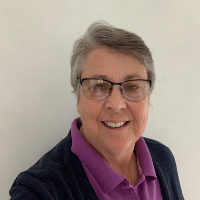
Kathy Rubendall is a Licensed Clinical Social Worker - North Carolina LCSW with 30 years of experience. She works with adults facing stress, anxiety, depression, addiction, grief, and career transition. Kathy also supports people coping with bipolar disorder, trauma, attachment concerns related to international adoption, and issues tied to military service.
Kathy uses a straightforward, interactive approach in sessions. She centers conversations on what the client wants to accomplish. Sessions look at current problems, patterns that keep those problems going, and practical steps to change them.
Her work draws on client-centered methods alongside cognitive behavioral techniques and problem-solving tools. Kathy incorporates elements of dialectical behavior therapy and motivational interviewing when those methods fit the person’s goals. This combination helps with mood symptoms, coping skills, and behavior change.
She has experience helping people deal with life transitions such as job change, surgery-related adjustment, and caregiving stress. Kathy also supports those navigating eating and sleep difficulties, body image concerns, and substance use issues.
Kathy aims to collaborate on clear, manageable goals and to track progress between sessions. People who prefer practical strategies and direct conversation about their work and life stress often find her style helpful. To begin, users should follow the site’s matching and scheduling steps.
Therapeutic approaches and working online
Client-centered therapy focuses on the person’s priorities and values. It emphasizes listening, reflecting, and helping the client set the agenda for change. Cognitive Behavioral Therapy, or CBT, looks at how thoughts and behaviors keep problems going and teaches concrete skills to change them. Dialectical Behavior Therapy, or DBT, offers skills for managing emotion, improving distress tolerance, and strengthening interpersonal effectiveness.Finding the right approach is part of the work. The therapist will review concerns, goals, and preferences together and suggest which methods to try. That decision is collaborative and can be adjusted as progress is tracked over time.
The biography does not specify session formats, so confirm current online options before scheduling. Online sessions can make it easier to fit appointments into a workday, reduce travel time, or allow shorter check-ins when needed. Many people find remote sessions helpful for maintaining continuity of care during job changes, caregiving demands, or relocation. Ask about the available formats and scheduling when you complete the matching questionnaire so arrangements match your needs.
Areas of expertise
Primary focus
Also works with
Additional focus areas
Therapeutic approaches
Experience
30+ years
Credentials
North Carolina
Languages
English
Frequently asked questions
What work and life concerns does she address?
She helps with stress, anxiety, depression, addictions, grief, bipolar disorder, career transition, and related issues such as sleep and self-esteem.
Which therapeutic approaches does she use?
The practice uses client-centered therapy with cognitive behavioral therapy, dialectical behavior therapy elements, motivational interviewing, and solution-focused techniques to address goals and behaviors.
How much clinical experience does she have?
She has about 30 years of experience working with adults on mood, trauma-related concerns, addiction, and life changes.
What are her professional credentials and location?
She is an LCSW licensed in North Carolina and practices with that credential.
Does she conduct sessions in other languages or internationally?
Sessions are offered in English. She does not accept international clients.
What session formats are available?
Confirm current session options before booking, as the biography does not specify which formats she offers.
How much do sessions cost?
Cost varies with location and sessions use a subscription model that can be canceled at any time.
How do I begin working with her?
Select the See online therapy options button, complete the short matching questionnaire, and schedule a first session.
Before a first session
- Check that the state license on record covers the state you live in.
- This is therapy, not career coaching: sessions are about how work is affecting you, not job search or placement.
- A profile shows the topics a therapist lists; it is not a diagnosis or a promise of results.
If you feel unsafe right now, call or text 988, or call 911.