- Addictions support
- Career concerns
- CBT and client-centered
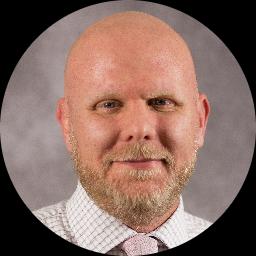
About Donald
Donald Karcher is an Ohio Licensed Independent Social Worker (LISW) with 24 years of experience. He has worked with people facing addictions, anger, motivation difficulties, low self-esteem, bipolar disorder, depression, anxiety, relationship and family concerns, trauma and abuse, grief, parenting challenges, career questions, and stress related to life changes and compassion fatigue.
Karcher uses straightforward conversation to help people sort through immediate problems. He listens to what matters most and helps clients identify practical next steps. Sessions tend to focus on what is happening now and what can be tried next, rather than long lectures or abstract theory.
His background includes long-term clinical practice in Ohio settings where behavioral health and substance use concerns are common. He draws on several familiar therapy approaches to guide sessions, including client-centered methods and techniques that challenge unhelpful thinking patterns.
People who come for help with work stress, career uncertainty, parenting strain, or recovery from addiction will find a clinician who leans toward direct, goal-focused work. Karcher pays attention to motivation and confidence as part of progress toward concrete changes.
In a typical first meeting he will ask about the current situation, your priorities, and what you want to be different. From there he and the client set clear short-term goals and pick methods to try. Sessions are practical and action-oriented, with attention to both feelings and doable steps forward.
Approaches used and how online sessions work
Client-centered therapy emphasizes listening and reflecting what matters to the client. It helps people clarify their priorities and feel understood while deciding what to try next. Cognitive Behavioral Therapy, or CBT, breaks problems into thoughts, behaviors, and feelings and uses practical exercises to change patterns that keep stress or depression going.Choosing the right approach is part of the work. The therapist will talk with the client about goals, try a method, and adjust based on what helps. That collaborative process means methods may change as progress is reviewed.
The biography does not list specific session formats, so confirm current options before booking. Online sessions can make it easier to fit meetings into a busy week and reduce travel time. They also allow shorter check-ins when needed and can work well when someone prefers not to be on camera or needs a lower-bandwidth option. Talk with the therapist about which arrangement would best fit your schedule and daily demands.
Areas of expertise
Primary focus
Also works with
Therapeutic approaches
Experience
24+ years
Credentials
Ohio
Languages
English
Frequently asked questions
What work-related issues does he address?
He helps with burnout, job loss, a difficult boss, career change uncertainty, and stress that affects daily functioning.
What is his therapy style like?
Sessions are direct and practical. He focuses on current problems and steps you can try between meetings.
How much experience does he have?
He has 24 years of professional experience as a clinician in Ohio.
What are his credentials and location?
He is an Ohio Licensed Independent Social Worker (LISW) practicing in Ohio.
Which languages are supported?
Sessions are offered in English.
What session formats are available?
Format details were not specified in the biography. Confirm current session options before booking.
How does payment work?
Cost varies by location and sessions use a subscription that can be canceled at any time.
How do I begin with him?
Select the See online therapy options button, complete a short matching questionnaire, and schedule a first session.
Before a first session
- Check that the state license on record covers the state you live in.
- This is therapy, not career coaching: sessions are about how work is affecting you, not job search or placement.
- A profile shows the topics a therapist lists; it is not a diagnosis or a promise of results.
If you feel unsafe right now, call or text 988, or call 911.