- ACT techniques
- CBT methods
- Mindfulness practice
About Darius
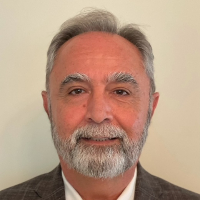
Darius Entesary is a Licensed Professional Counselor (LPC) in Georgia with 26 years of clinical experience. He works with adults facing stress, anxiety, depression, relationship strain, career challenges, trauma, and other life changes. Sessions are offered in English and Persian, and he accepts international clients.
He uses straightforward, human-centered methods that focus on what matters now. Conversations typically look at patterns that cause distress and practical steps to reduce them. He draws on cognitive behavioral ideas to notice thoughts and actions, and on acceptance-based approaches to clarify values and next moves.
In sessions he also brings skills from dialectical behavior therapy and existential work. That means attention to emotional regulation, managing intense feelings, and looking at life direction and meaning. Mindfulness practices are used when they help a client slow down and notice what is happening in the moment.
People come to him for a range of issues: addictions, grief, intimacy problems, sleeping difficulties, parenting strain, self-esteem, and career concerns among them. He also lists additional focuses such as control issues, forgiveness, gender dysphoria, immigration-related stress, and multicultural or prejudice-related impacts.
His style is client-centered and pragmatic. He aims to reduce suffering while helping people increase energy and satisfaction in daily life. To start, a short matching questionnaire and a scheduled first session are used to set goals and a plan.
Therapeutic approaches and online sessions
Acceptance and Commitment Therapy (ACT) helps people clarify what matters most to them and take small steps toward those values while learning to live with difficult thoughts. Cognitive Behavioral Therapy (CBT) focuses on identifying unhelpful thought patterns and changing behaviors that keep problems going. Dialectical Behavior Therapy (DBT) contributes skills for managing strong emotions and improving interpersonal effectiveness.Choosing the right approach is part of the work. The therapist will collaborate with each person to decide which methods fit their needs, goals, and preferences. That means checking in about what helps, adjusting approaches as progress is reviewed, and combining techniques when useful.
If you are considering online sessions, confirm the available session formats before booking so you know what to expect. Online options can make it easier to fit therapy into a busy day, allow shorter check-ins when needed, and remove travel time. Therapists often adapt ACT, CBT, and DBT tools to work over distance, using exercises, behavioral homework, and short skills practice between sessions to keep progress moving.
Areas of expertise
Primary focus
Also works with
Additional focus areas
Therapeutic approaches
Experience
26+ years
Credentials
Georgia
Languages
English, Persian
Frequently asked questions
What work-related concerns does he address?
He lists career challenges, work stress, burnout-related issues, and midlife career transitions among his areas of focus.
What approach does he use in sessions?
He practices a client-centered style and uses approaches such as Acceptance and Commitment Therapy, Cognitive Behavioral Therapy, DBT, existential ideas, and mindfulness techniques.
How much clinical experience does he have?
He has 26 years of experience working with a wide range of adult concerns including trauma, mood issues, and relationship problems.
Where is he licensed and based?
He is a Licensed Professional Counselor (LPC) based in the state of Georgia.
Which languages are offered during sessions?
Sessions are offered in English and Persian.
Can international clients work with him?
He accepts international clients; confirm any cross-border details before scheduling.
How are sessions paid for?
Cost varies with location and sessions use a subscription that can be canceled at any time.
How do I begin a first session?
Start by selecting the See online therapy options button, complete a short matching questionnaire, and schedule a first session.
Before a first session
- Check that the state license on record covers the state you live in.
- This is therapy, not career coaching: sessions are about how work is affecting you, not job search or placement.
- A profile shows the topics a therapist lists; it is not a diagnosis or a promise of results.
If you feel unsafe right now, call or text 988, or call 911.