- CBT methods
- DBT skills
- Motivational Interviewing
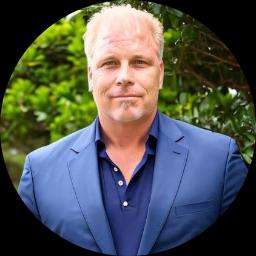
About Christopher
Christopher Korty is an LCSW - Licensed Clinical Social Worker in North Carolina with over 20 years of professional experience. He works with people facing stress, anxiety, relationship and family concerns, anger, self-esteem problems, addictions, trauma and abuse, grief, intimacy issues, eating concerns, parenting stresses, career questions, mood disorders including bipolar and depression, and attention-related challenges such as ADHD.
He focuses on practical, problem-focused conversations. Sessions typically cover how thoughts, feelings, and behaviors interact and what can be changed day to day. Christopher uses clear tools and skills rather than lengthy theory. He aims for straightforward steps people can use between sessions.
His approach draws on Cognitive Behavioral Therapy to identify unhelpful thinking and behavior patterns. He also uses Dialectical Behavior Therapy skills for managing strong emotions and Motivational Interviewing techniques to strengthen commitment to change. These methods often get mixed together depending on what a person needs.
In session he helps people talk through communication problems, impulsivity, forgiveness, life purpose, parenting strains, and challenges common to young adults and men. He also addresses disruptive mood concerns such as Disruptive Mood Dysregulation Disorder when relevant to an individual's situation.
Christopher works in North Carolina and conducts therapy in English. He asks people to complete an initial matching questionnaire and schedule a first session through the online options on the site so he can learn goals and plan next steps.
How his approaches work for online sessions
Christopher frequently uses Cognitive Behavioral Therapy to help people spot and change unhelpful thoughts and behaviors. CBT is practical and task-oriented, and it often focuses on small experiments and behavior changes that show quick results for issues like anxiety, mood, and career stress.He also uses Dialectical Behavior Therapy skills to teach emotion regulation, distress tolerance, and clearer interpersonal communication. DBT skills can be useful when strong emotions or impulsivity make daily life harder. Motivational Interviewing is used to explore ambivalence and build commitment to change in areas such as addictions, lifestyle shifts, or career decisions.
Finding the right mix of methods is part of the work. Christopher collaborates with each person to decide which approaches fit their goals, needs, and preferences. He will review options and adapt techniques rather than using one fixed method.
Confirm the available session formats before booking, since specific formats are not listed in the biography. Online sessions can help fit therapy into a busy workday by reducing travel, allowing shorter check-ins, or making it easier to keep appointments around work commitments. Ask about formats and scheduling when you complete the matching questionnaire so practical arrangements match your routine.
Areas of expertise
Primary focus
Also works with
Additional focus areas
Therapeutic approaches
Experience
20+ years
Credentials
North Carolina
Languages
English
Frequently asked questions
Does he help with burnout or work stress?
Yes. He lists stress, anxiety, career concerns, and coping with life changes among the issues he helps people address.
What is his therapeutic style?
He uses practical, problem-focused conversations that emphasize skills and steps to try between sessions.
How much experience does he have?
He has over 20 years of professional work experience as a clinician.
What are his credentials and location?
He is an LCSW - Licensed Clinical Social Worker licensed in North Carolina and practices in that state.
Which languages are supported?
Sessions are offered in English.
Does he work with international clients?
He does not accept international clients.
How are sessions scheduled and how much do they cost?
Cost varies with location and sessions use a subscription that can be canceled at any time; specific pricing is provided during sign-up.
How do I begin a first session?
Select the See online therapy options button, complete a short matching questionnaire, and schedule your first session through the site.
Before a first session
- Check that the state license on record covers the state you live in.
- This is therapy, not career coaching: sessions are about how work is affecting you, not job search or placement.
- A profile shows the topics a therapist lists; it is not a diagnosis or a promise of results.
If you feel unsafe right now, call or text 988, or call 911.