- DBT skills
- Hypnotherapy
- Trauma focus
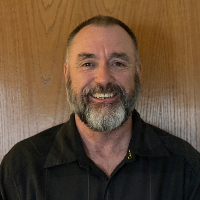
About Brett
Brett Smith is a Licensed Marriage and Family Therapist (LMFT) in California with 22 years of clinical experience. He works with people facing stress, anxiety, trauma and abuse, depression, addictions, relationship problems, career strain, and related concerns listed in his specialties.
He came to this work after dealing with his own PTSD and brings experience as a combat veteran and former law enforcement officer. That background informs his approach to trauma and crisis, and he has spent much of his career helping people manage trauma symptoms and personality disorder challenges.
His style is direct and focused on practical skills. He commonly uses dialectical behavior therapy, and he adapts methods when a situation calls for a different approach. He has postgraduate training in hypnotherapy and works with Ericksonian and transformational hypnotherapy techniques.
Brett has performed emergency psychiatric assessments in hospital emergency departments, which sharpened his diagnostic thinking and his ability to handle difficult or acute situations. He combines that clinical experience with therapy methods to help people reduce symptoms and regain daily functioning.
Outside work he and his wife sail, backpack, kayak, and train dogs. He maintains a YouTube channel with videos related to topics he covers in sessions. People interested in working with him are asked to use the site’s process to match and schedule an initial appointment.
Therapeutic approaches and working online
CBT, or Cognitive Behavioral Therapy, focuses on identifying unhelpful thinking and changing behaviors that keep problems going. It is often used for anxiety, depression, sleep, and stress-related issues. DBT, or Dialectical Behavior Therapy, emphasizes practical skills for emotion regulation, distress tolerance, and improving communication; it is useful when emotions feel overwhelming or impulsive behaviors are present. Finding the right approach is collaborative. The therapist will work with the client to identify goals and try methods that fit those goals. If one method isn’t helpful, he will adjust the plan to better match the person’s needs and preferences. The biography does not list specific online session formats. Please confirm current session options before booking so you know whether phone or video is provided. Online work can make it easier to fit sessions into a busy week, shorten commute time, and allow quick check-ins when needed. It also lets people use approaches like DBT skills practice and CBT homework between sessions, keeping progress moving forward without promising a particular format.Areas of expertise
Primary focus
Also works with
Additional focus areas
Therapeutic approaches
Experience
22+ years
Credentials
California
Languages
English
Frequently asked questions
What kinds of work and life issues does he address?
He works with stress, anxiety, depression, addictions, relationship and intimacy issues, career strain, grief, and trauma-related concerns.
What is his therapeutic style like?
His style is direct and skills-based. He often uses dialectical behavior therapy and switches methods when the situation needs it.
How much clinical experience does he have?
He has 22 years of experience, including work with trauma, personality disorder presentations, and emergency psychiatric assessments.
What are his credentials and where is he based?
He is a Licensed Marriage and Family Therapist (LMFT) licensed in California.
Which languages are sessions offered in?
Sessions are offered in English.
Are international clients accepted?
He accepts international clients. Confirm any cross-border details before scheduling.
How are fees handled?
Cost varies with location; sessions use a subscription that can be canceled at any time.
How do I get started with him?
Select the See online therapy options button, complete the short matching questionnaire, and schedule a first session.
Before a first session
- Check that the state license on record covers the state you live in.
- This is therapy, not career coaching: sessions are about how work is affecting you, not job search or placement.
- A profile shows the topics a therapist lists; it is not a diagnosis or a promise of results.
If you feel unsafe right now, call or text 988, or call 911.