- Client-Centered Therapy
- Cognitive Behavioral Therapy
- Mindfulness practices
About Ann
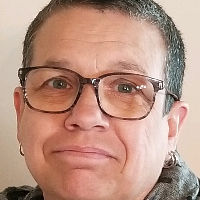
Ann Burris is a Licensed Professional Counselor (LPC) in Pennsylvania with 35 years of experience. She has worked in colleges in New York and Pennsylvania and in a psychiatric hospital. She sees people for concerns such as grief, depression, anxiety, LGBTQ+ issues, trauma, and relationship challenges. Her work also includes career-related stress and coping with life changes.
Ann uses an interactive, client-centered way of working. She helps people notice their own resilience and practical strengths. Sessions often include attention to self-care and mindfulness exercises that can be used between meetings.
Her background includes long-term practice in educational settings and inpatient psychiatric care, which gives her experience with a wide range of concerns. That variety informs how she helps people manage stress, panic, and mood changes in everyday life.
Ann combines Client-Centered Therapy with cognitive behavioral techniques to address unhelpful thinking patterns and develop concrete coping skills. Mindfulness is used to improve sleep, reduce reactivity, and support emotional regulation.
People who choose her often want straightforward, practical work. She focuses on short, clear steps clients can try between sessions. Referrals and prior treatment are welcomed in order to build on what already works.
How her approaches translate to online work
Ann uses Client-Centered Therapy, Cognitive Behavioral Therapy (CBT), and Mindfulness Therapy in her practice. Client-Centered Therapy focuses on listening and reflecting so people can describe what matters most and decide next steps. CBT looks at unhelpful thoughts and habits and replaces them with practical skills for managing anxiety, panic, or low mood. Mindfulness Therapy introduces simple attention practices to reduce reactivity, support sleep, and build steady habits.Finding the right mix of these approaches is part of the work. She will collaborate with each person to decide which methods fit their goals and preferences. That means checking what feels useful and adjusting techniques as needed rather than sticking to one fixed method.
Session formats are not specified in the biography, so confirm current online options before booking. Online sessions can make it easier to fit meetings into a workday, allow shorter check-ins when time is limited, and reduce travel time. They also let people practice new skills where they live and then review what worked in the next meeting.
Areas of expertise
Primary focus
Also works with
Additional focus areas
Therapeutic approaches
Experience
35+ years
Credentials
Pennsylvania
Languages
English
Frequently asked questions
What work-related concerns does she address?
She works with stress, career-related strain, burnout, and coping with life changes alongside anxiety and depression.
What is her therapeutic style like?
Her style is interactive and client-centered, focusing on practical steps, self-care, and mindfulness to manage day-to-day problems.
How much experience does she have?
She has 35 years of experience, including roles in colleges and a psychiatric hospital in New York and Pennsylvania.
What are her credentials and location?
She is a Licensed Professional Counselor (LPC) practicing in Pennsylvania.
Which languages are supported?
Sessions are offered in English.
Can people outside the US work with her?
She does not accept international clients at this time.
How does payment work and what does it cost?
Cost varies with location; sessions use a subscription model that can be canceled at any time.
How do I get started with a session?
Select the See online therapy options button, complete the short matching questionnaire, and schedule your first session.
Before a first session
- Check that the state license on record covers the state you live in.
- This is therapy, not career coaching: sessions are about how work is affecting you, not job search or placement.
- A profile shows the topics a therapist lists; it is not a diagnosis or a promise of results.
If you feel unsafe right now, call or text 988, or call 911.